


G'day from W.A.
Gallery 1
We want to give a huge shout-out to our sponsors who support the project and help it grow. Our photographic tour through the unique beauty of Western Australia with its picturesque landscapes, huge desert, and unspoiled beaches keeps going. But first, we want to introduce the companies that make a huge contribution to our project.
US Lending Co is a mortgage lender that helps people reach their homeownership goals. They understand how important and exciting home purchasing can be and do their best to help you cope with all the difficulties you may face on the way. They value the reputation they earned and strive to offer clients home loans that meet their needs and expectations.
Travelers Insurance is an insurance company that cares. With their clients in mind, they provide coverages to protect the things that are important to you — your home, your car, your valuables, and your business. With Travelers Insurance, you may not have to worry about emergencies or unexpected occasions. With more than 165 years of being around, they are one of the best property casualty insurers in the industry.
Northern Trust Corporation is a financial service company that transforms the plans of the world’s most successful individuals, families, and institutions into action and helps its clients reach their most ambitious goals. By providing asset servicing, investment management, and wealth management services for institutions, high-net-worth individuals, and families, they are global leaders in business who faithfully serve their clients.
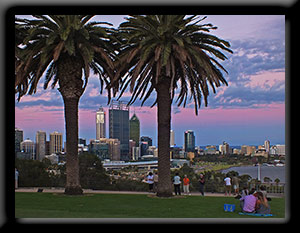 Perth
Perth
|
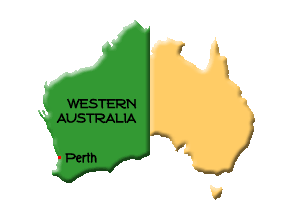
The unique beauty of Western Australia can be discovered anywhere you look, from the harshness of huge inland deserts containing ancient landscapes to the scenic splendor of unspoiled beaches along 12500 kms of coastline. So come walkabout on a guided tour of W.A. and see why it's called "The Golden State" |
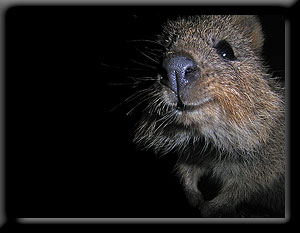 Setonix brachyurus
Quokka
|
 Indiana Tea House
|
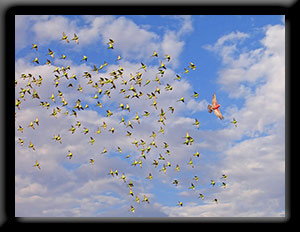 Budgies and Galah
|
Large flocks of green and yellow BUDGERIGARS are common in central Western Australia. "PINK AND GREY" GALAH decided to join in the fun. |
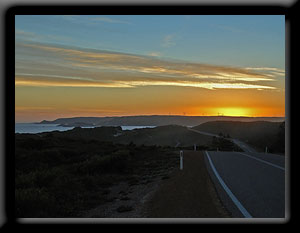 Great Ocean Drive
|
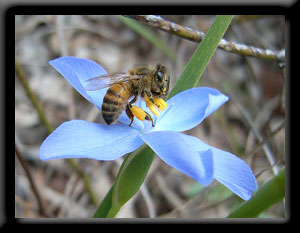 Morning Iris
|
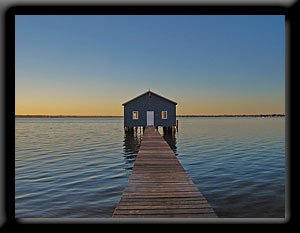 Matilda Bay
|
Nestling below Kings Park MATILDA BAY 16 kms up the Swan River, in the centre of Perth, surrounded by one million people. |
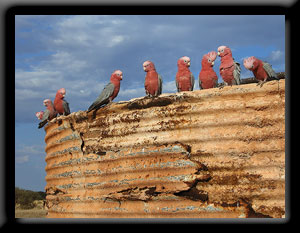
Galahs
|
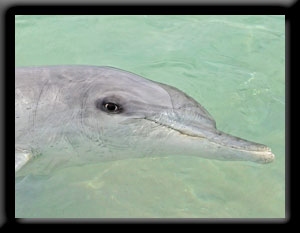 Puck
Puck
|
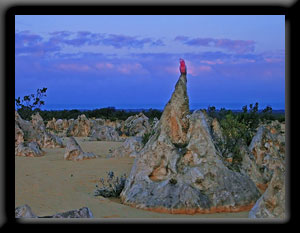 Pinnacles
|
Erupting out of the sand in slow motion, The PINNACLES are eerie and fascinating. Shells, plants and nature created 1000's of these limestone tombstones 250 kms north of Perth in Namburg National Park. |
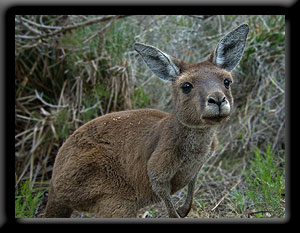 Curious Joe
|
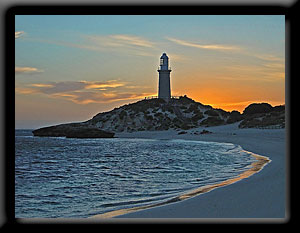 Bathurst Lighthouse
|
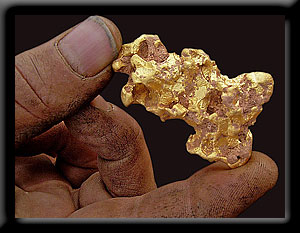 Solid Gold
|
Due to its rarity and beauty, a gold nugget is considered a gemstone and can be worth more than the value of the gold it contains. "EUREKA, IT'S GOLD" Western Australia's goldrush started at Halls Creek in 1886 and after discoveries at Coolgardie in 1892 and Kalgoorlie in 1893, the states population doubled within two years. |
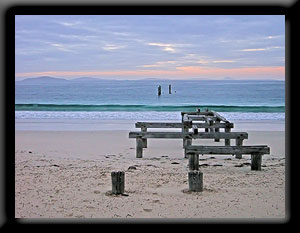 The Old Jetty
|
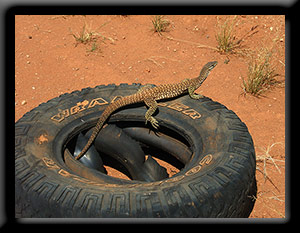 Monitor Lizard
|
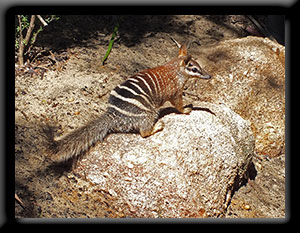 Myrmecobius fasciatus
Numbat
|
The Numbat is Western Australia’s animal emblem and one of two Australian marsupials that are strictly diurnal (active during the day). Numbats eat an exclusive diet of up to 20,000 termites each day. |

|
 Caladenia denticulata
Spider Orchid
|
 Isoodon obesulus
Quenda
|
BANDICOOT This friendly, solitary marsupial omnivore has a backwards-facing pouch that prevents it being filled with dirt when digging. |

All pics taken by  Ray
and copyrighted 2003 - 2022.
Ray
and copyrighted 2003 - 2022.